



When was the last time you replaced your toilet brush? How about your cutting boards? HVAC filters? Your home is full of things that may look squeaky-clean or seem like they’re functioning normally, but might actually be far past their prime. And we get it: Life is busy and expensive, so we don’t blame you for forgetting or trying to stretch a buck.
Still, there are compelling reasons to replace certain items on the regular. For instance, staying on schedule with fresh HVAC filters can help prevent costly heating or air-conditioning repairs, while tossing an aging bed pillow can save you from neck pain and exacerbated allergies (and the medical bills that can come with them).
We consulted pros and hit the books to find out how often you should be switching out some of your home’s hardest-working helpers. And if you’re anything like us? Well, the answers will be a wake-up call.
Advertisement
Advertisement
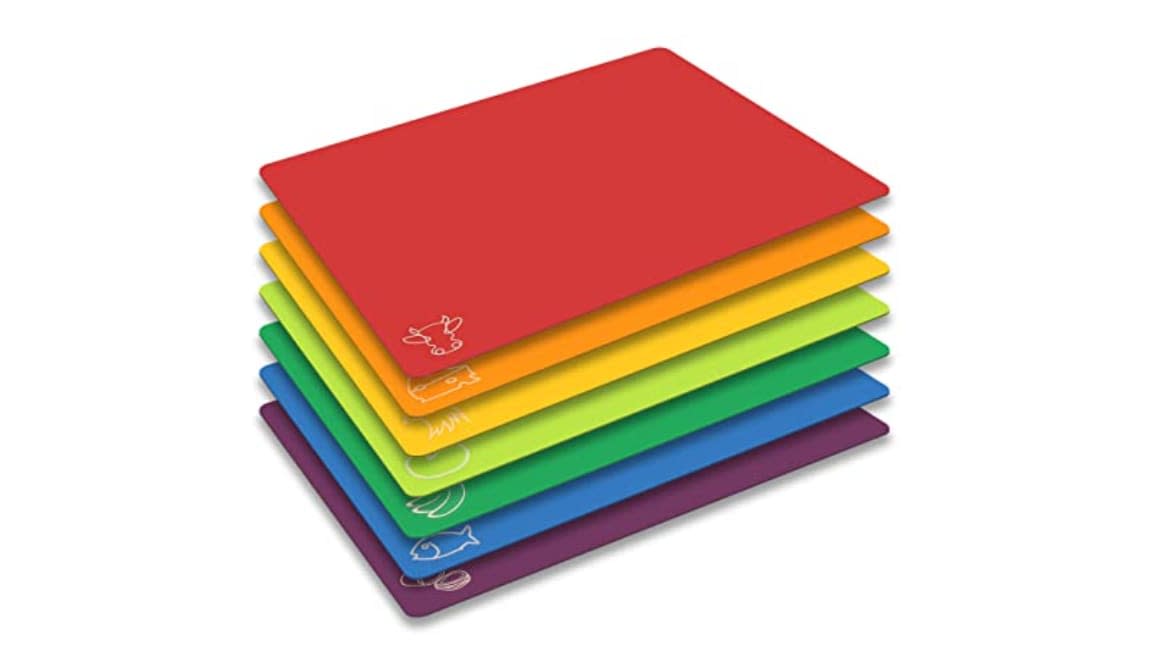
Cutting boards
You may have heard that your go-to slicing-and-dicing surface can harbor 200 times more fecal bacteria than a toilet seat. “In most cases, it’s safer to make a salad on a toilet seat than it is to make one on a cutting board,” Dr. Charles Gerba, a microbiologist and professor at the University of Arizona in Tucson, even told Today. Ick!
Worth noting: Food & Wine dug into this claim but couldn’t track down the original data. Still, that doesn’t mean your years-old cutting board is in the clear. As the USDA Food Safety and Inspection Service warns, “All plastic and wooden cutting boards wear out over time. Once cutting boards become excessively worn or develop hard-to-clean grooves, they should be discarded.”
Whether yours is wood, plastic or glass, you need to give it more than a quick wipe down after each use. If you have a wooden cutting board, you should disinfect it with bleach and treat it with mineral oil. If you have a plastic board, you can pour boiling water over it or even toss it in the dishwasher to sanitize it. To avoid cross-contamination, get different cutting boards for produce and raw meats.
Amazon
Plastic food containers
An essential for every home chef, food containers can become a sanctuary for bacteria and pathogens when they’re scratched up or otherwise damaged, according to Iowa State University. This is especially true of containers with a rubber seal. It’s important to clean them really well — put them in the dishwasher if possible — and let them completely dry before closing them and tossing them back into the cupboard.
Advertisement
Advertisement
If you have any containers that are stained or worse for wear, consider replacing them. If you’d like to steer clear of potential BPA exposure, consider tossing the plastic and investing in glass containers. They’re easier to clean and sanitize, sturdier for the long haul (as long as you don’t drop ’em!) and are safe to toss in the microwave.
Amazon
Toilet brushes
It’s a dirty job, but some(thing)’s gotta do it. Your toilet brush has an unenviable task that pretty much guarantees it will accumulate an impressive array of bacteria. Joining the potty-brush party, according to a study by Merck, are strains such as E. coli, Enterobacter and Cladosporium. The good news, researchers say: “Toilet brushes are more of an aesthetic issue — you don’t usually touch the brush portion, and as long as the brush isn’t squeezed into a tight containment and doesn’t sit in a puddle, it’s probably not that bad. Most hygiene experts agree that bathrooms, even those with toilets, are generally not as much an issue as kitchens.” (Yikes?)
Experts tell Consumer Reports that you can generally wait until your brush looks or smells like it needs to be replaced — for instance, if it’s permanently discolored or if it stinks even though you didn’t just use it. Otherwise, twice a year is a reasonable guideline.

Amazon
“Bathroom MVP,” said one five-star fan. “The canister pops open and closed like a secret agent’s gadget, making it super hygienic and convenient. The brush itself has sturdy bristles that make scrubbing a breeze, and the handle is so comfortable I almost forget I’m cleaning the toilet.”
Nonstick pans
Who doesn’t love the convenience of a nonstick pan? Unfortunately, it comes at a cost. You’ll want to replace nonstick cookware every two to three years, says Yahoo Senior Home Writer Lisa Schweitzer, a French Culinary Institute grad and our resident cookware tester.
Advertisement
Advertisement
“Even with vigilant care and following heating instructions, they all eventually degrade,” Schweitzer writes. “Once there’s a scratch or cooking spray build-up, it’s time to toss the pan.” You can prolong their use by steering clear of high heat and metal utensils, both of which can degrade the nonstick coating, she notes. The main concern? Exposure to per- and polyfluoroalkyl substances used in that coating, better known as PFAS or “forever chemicals.” Research about potential negative health effects, such as increased cancer risks and hormonal changes, is ongoing.
Amazon
The only downside? It’s not broiler-safe.
HVAC filters
Heating, ventilation and air conditioning pros are adamant: You’re not changing your filters often enough. “Dirty filters can’t trap allergens and pollutants like they’re supposed to, so that stuff just keeps recirculating in your home,” says Steve Robbins, owner of Robbins Heating & Air Conditioning in Farmington, N.M. “From a mechanical standpoint, your system has to work harder to pull air through a clogged filter. That means longer run times, higher energy bills and more wear and tear on parts. Replacing filters is one of the easiest things homeowners can stay on top of to avoid expensive repairs.”
So, how often is often enough? The pros we spoke with recommend checking filters every month, even if you don’t swap them out that often. “Think less ‘every three months’ and more ‘every season of your life,’ says Justin Cornforth, CEO at Ace Home Co. in Williamston, SC. “Filters age faster if you’ve got shedding pets, ongoing renovations or even a toddler dragging in playground grit. The 30-to-90-day rule is a starting point, not a finish line. Peek monthly, swap as needed.”

Amazon
Kitchen sponges
This one may seem like a no-brainer, but it’s easy to forget to replace your kitchen sponges. According to a study in Scientific Reports, researchers found bacterial densities in kitchen sponges similar to those found in feces. (Have we got your attention now?) The study also found that boiling or microwaving a sponge may even promote the growth of certain bacteria if the sponges are used long-term.
Advertisement
Advertisement
While plenty of these bacteria pose little risk to healthy humans, there’s always a chance that your sponge could become a cozy home for something more insidious, like E.coli or Salmonella. Because of this, researchers say you should replace your sponges regularly — ideally, once every week or two.
Amazon
Coffee maker filters
Come on, when was the last time you remembered to replace your coffee maker’s filter? (That’s what we thought.) Give your morning helper a good cleaning according to its instructions, soaking the water reservoir in hot, soapy water and replacing the filter ASAP.
Fortunately, the stakes are lower here than they are for other items on this list — the main consequence of a too-seldom-changed filter will be a slightly funky-tasting cup of joe. The filters help keep out chlorine, metals, sediment and other things that can change the way your coffee tastes. They also help extend the longevity of your machine by reducing mineral buildup inside.

Amazon
Pillows
When you finally find a pillow that helps you doze off with blissful ease, it feels like a chorus of angels should mark the occasion. Carefully note the brand, because you’ll want to swap that pillow out every two years. That’s according to the Asthma and Allergy Foundation of America, which notes that your pillow can become home to millions of dust mites that could leave you sneezing and wheezing. Old pillows also host a ton of dead skin cells and even mold — yep — thanks to sweat, saliva, humidity and other moisture sources.

Amazon
Shower curtains/liners
Unfortunately, this is one of those things that falls into the category of “much dirtier than you think it is.” Shower curtains and shower curtain liners may stay damp for much longer than you’d expect, especially if they’re not stretched out to dry after use. Cue mold, mildew and bacteria crashing your daily zen. Experts say you’ll want to replace yours every six months to a year, especially if you live in a high-humidity area.

Amazon
Kitchen towels
You’ve got some leeway when it comes to replacing bath towels — assuming they’re regularly washed, you can let the integrity of the fabric be your guide. But kitchen towels demand more vigilance. Just like sponges, they’re a favorite hideaway for bacteria such as E.coli and coliform, researchers have found.
Advertisement
Advertisement
One to two years is a good replacement guideline, experts tell Southern Living. Of course, during that time, frequent washing in hot water is a must, especially when you’ve been cooking with raw meat, poultry, seafood or eggs.

Amazon
If you have Amazon Prime, you’ll get free shipping, of course. Not yet a member? No problem. You can sign up for your free 30-day trial here. (And by the way, those without Prime still get free shipping on orders of $35 or more.)
The reviews quoted above reflect the most recent versions at the time of publication.